Loading...
Solder Wire & Flux Manufacturer in Delhi | Ansol Premier Industry

Solder Wire & Flux Manufacturer in Delhi

Page Not Found

The page you are looking for may have been removed, renamed, or is temporarily unavailable. Help link...

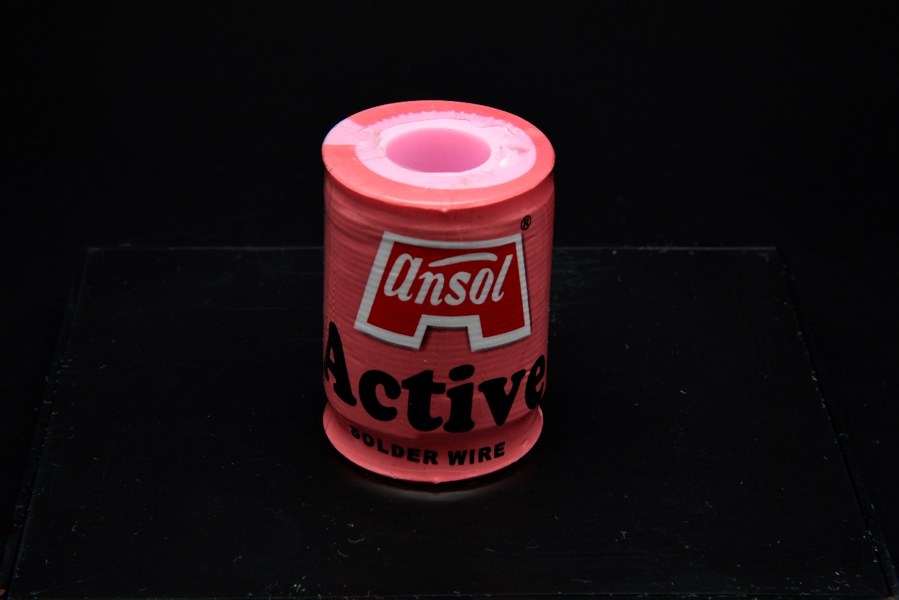
Solder Wire

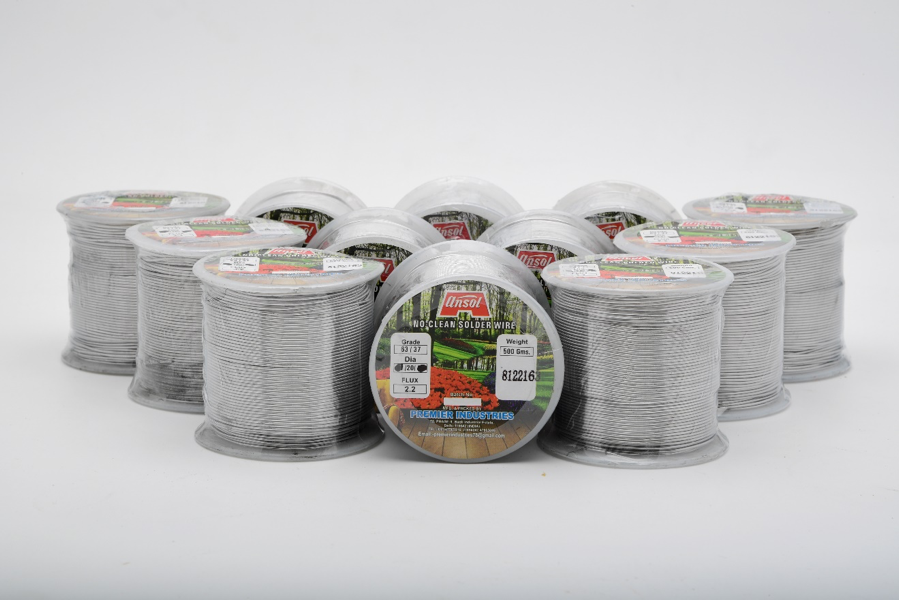
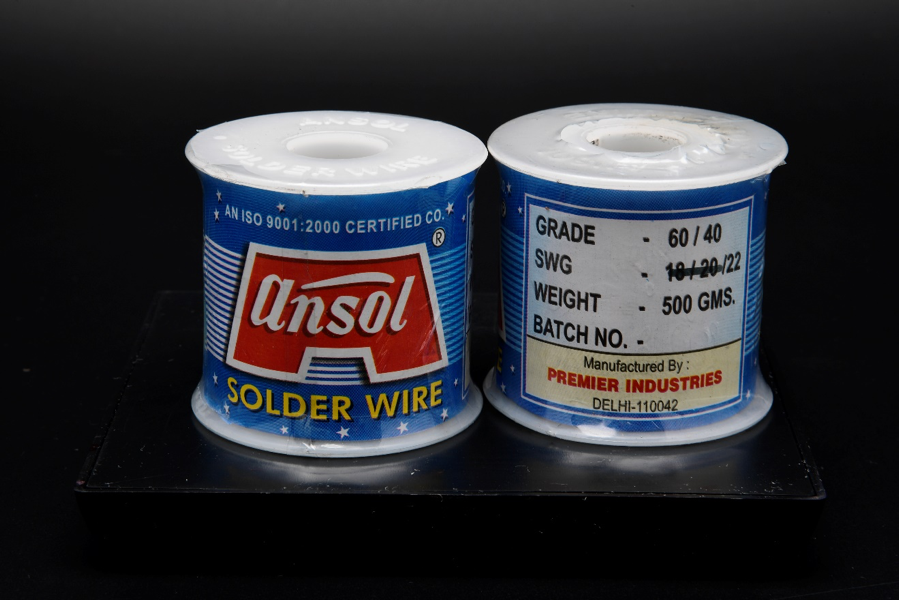
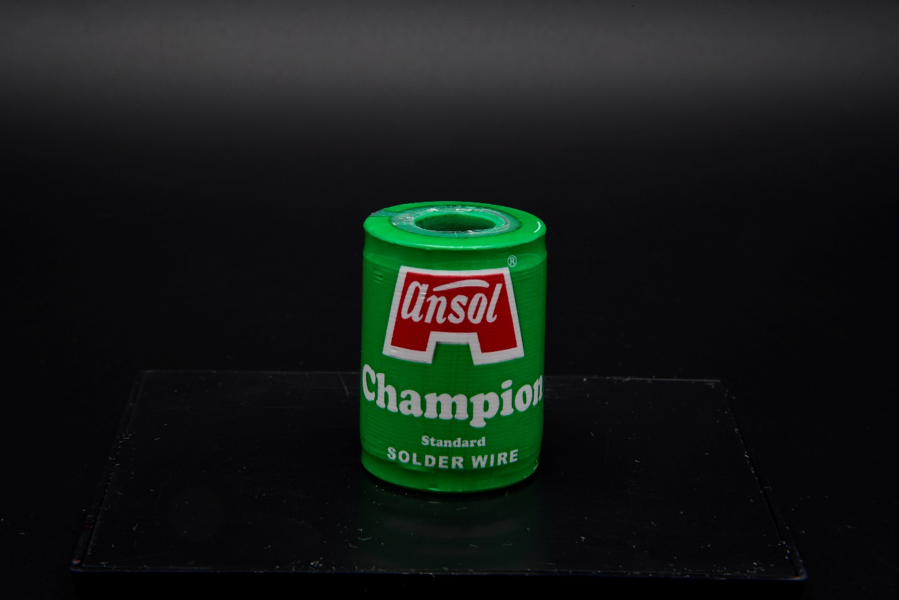
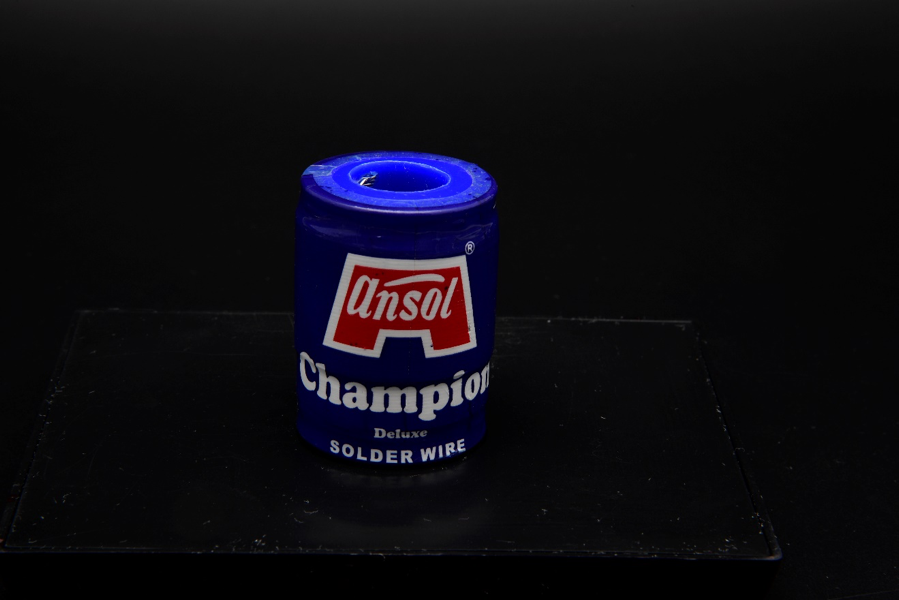
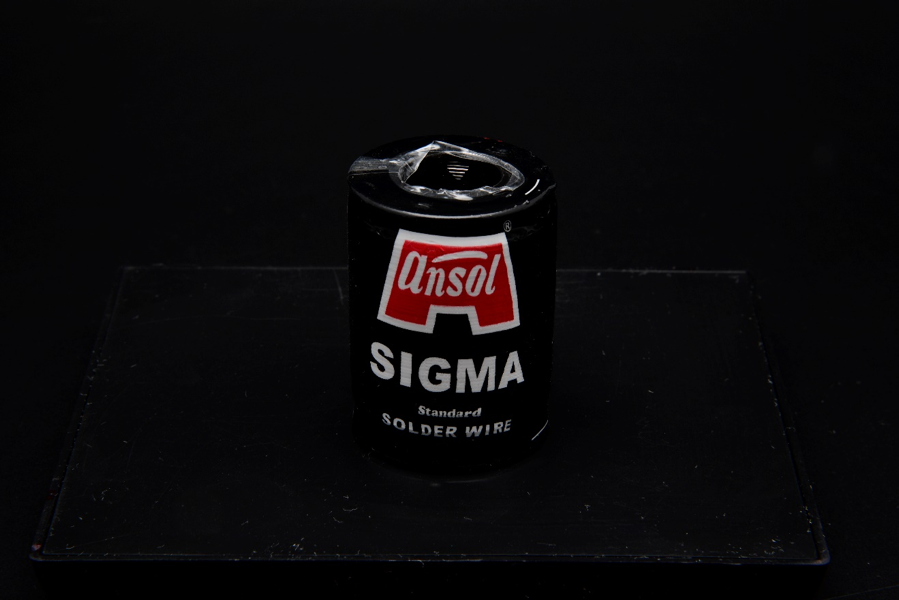
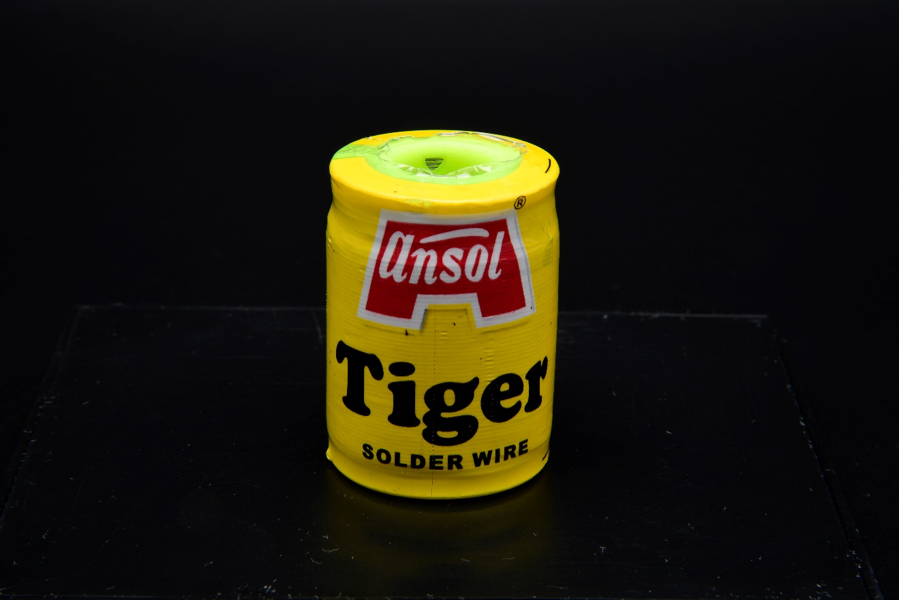
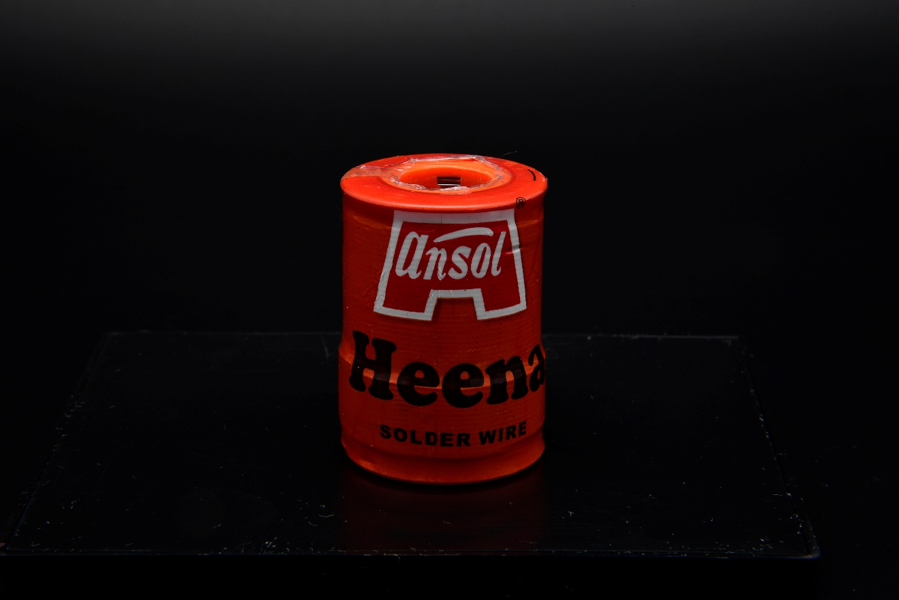
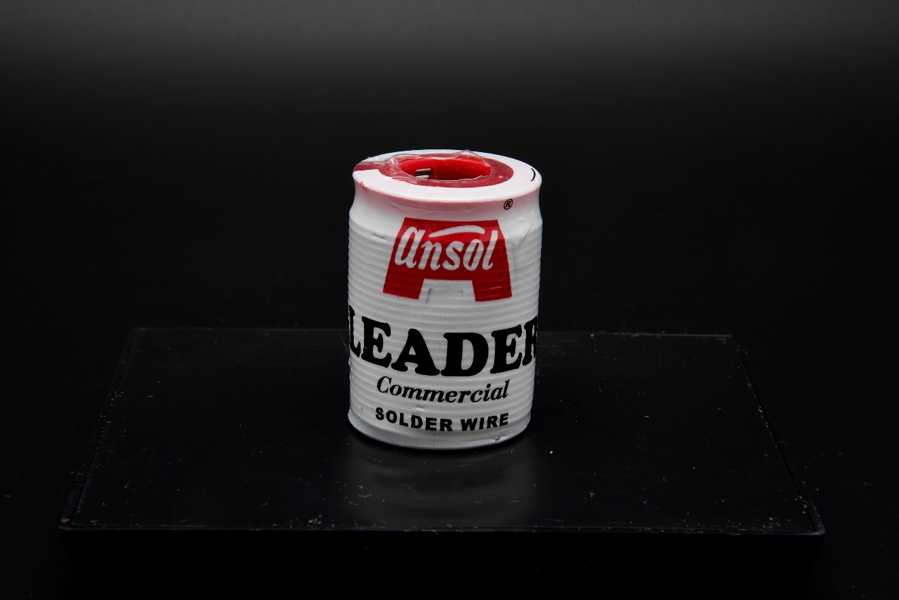
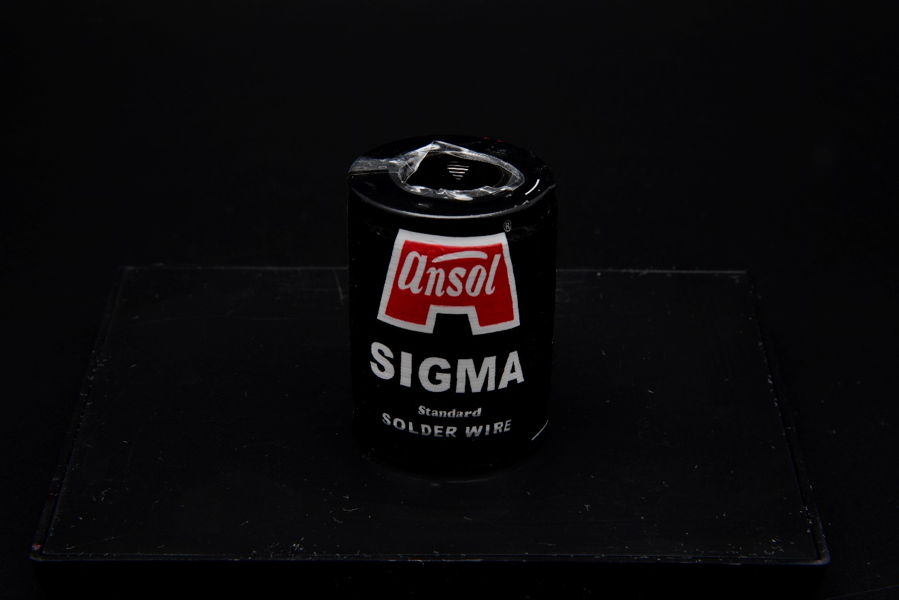
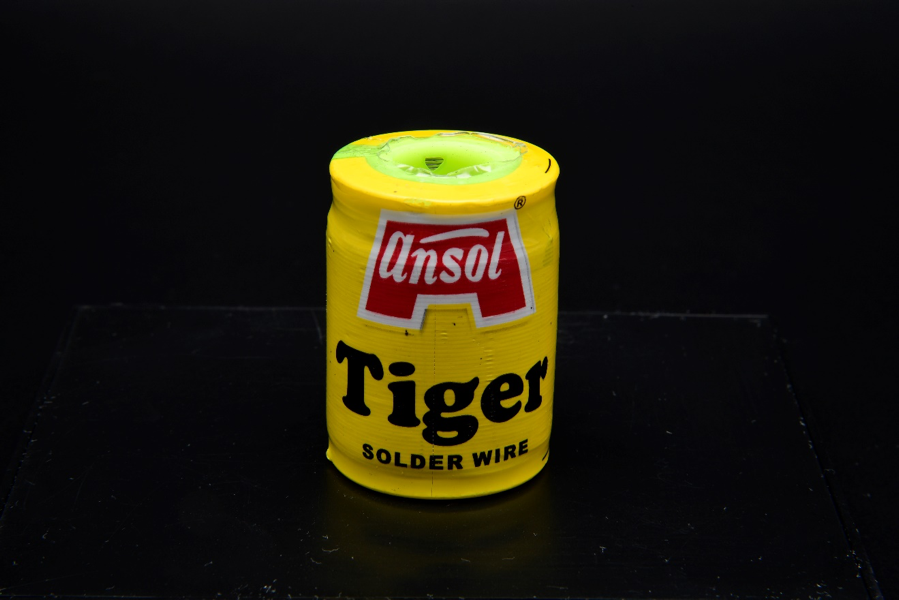
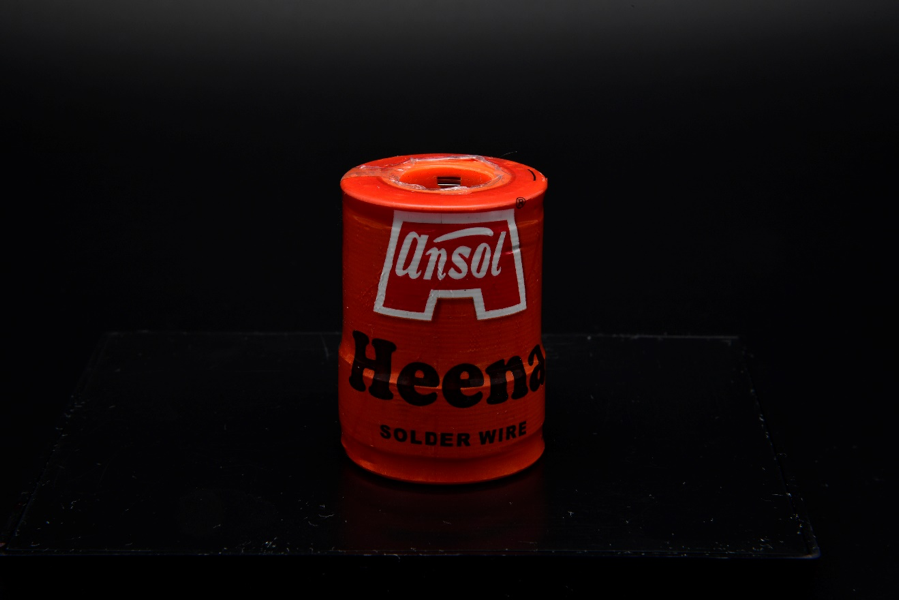
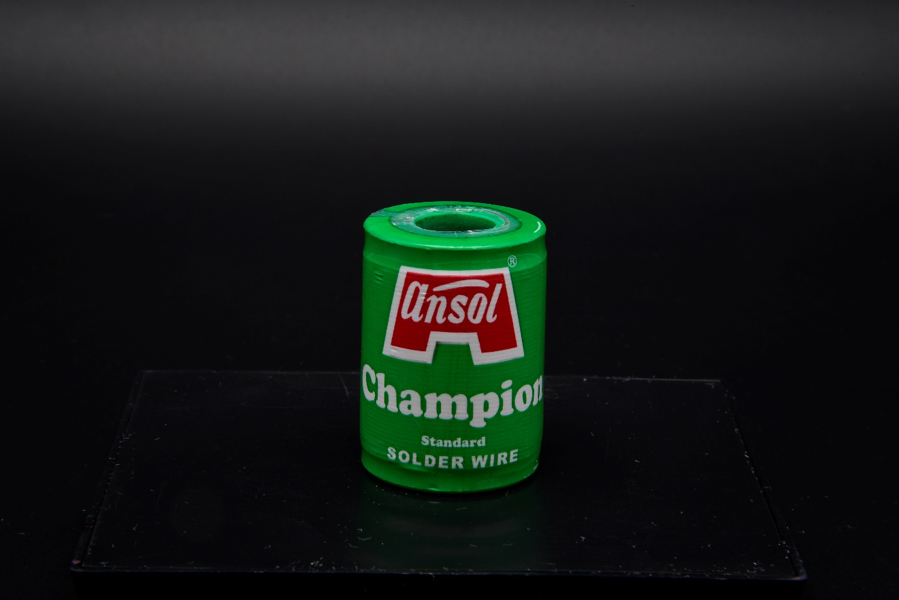
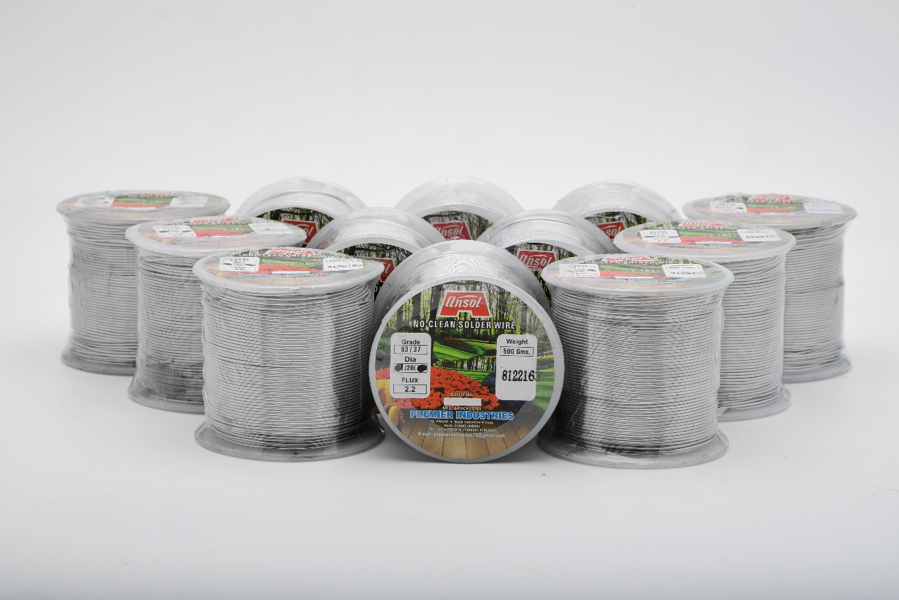
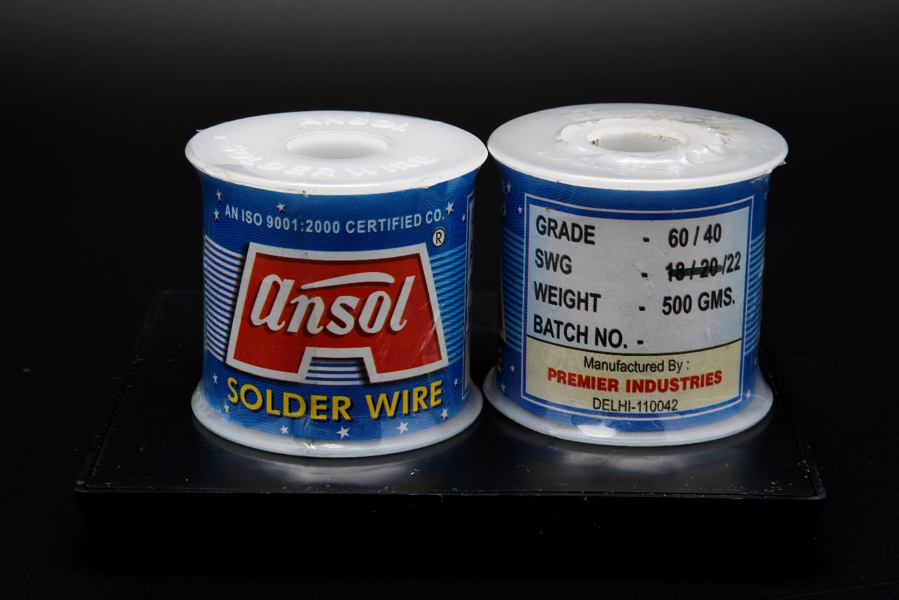
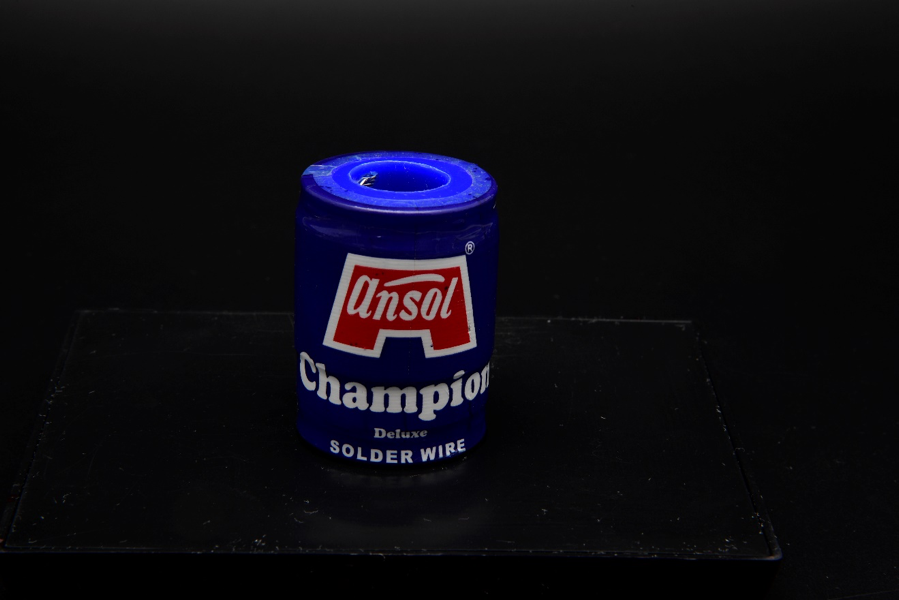
Solder wire is a fundamental material used in electronics, plumbing, and metalwork to join metal parts together. It consists of a metal alloy, commonly tin and lead or lead-free alternatives, designed to melt at low temperatures for easy application. The wire often contains a flux core to clean metal surfaces during soldering, ensuring strong and conductive solder joints. Available in various diameters and alloy compositions, solder wire caters to different tasks, from delicate circuit board repairs to heavy-duty electrical connections. Its versatility and ease of use make it a favorite among professionals and hobbyists alike. Choosing the right solder wire, such as RoHS-compliant lead-free wire, is essential for environmental safety and compliance with regulations. Proper solder wire ensures efficient heat transfer, reduces defects, and improves the durability and reliability of the finished product.

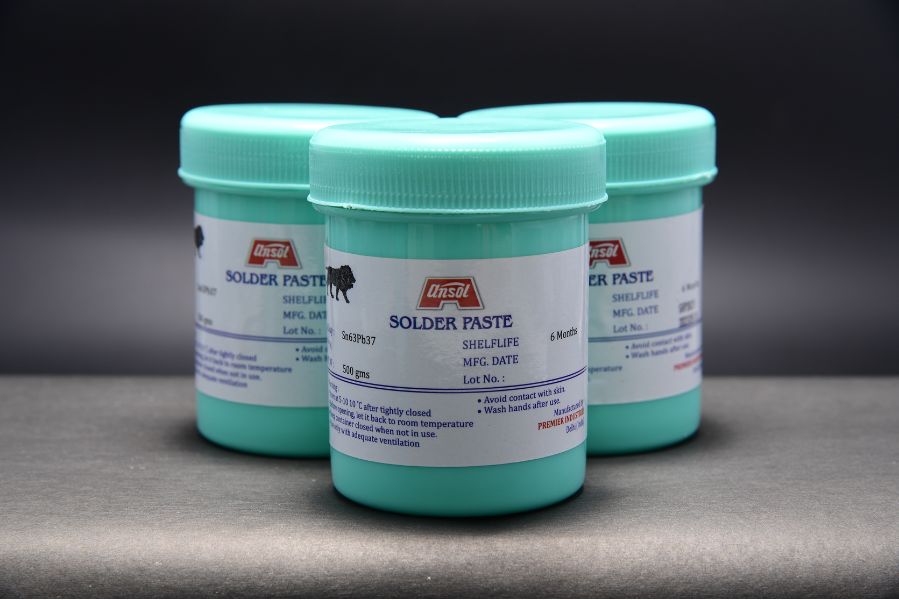
Smd Solder Paste

SMD solder paste is a critical material used in Surface Mount Technology (SMT) for attaching surface-mount devices (SMDs) onto printed circuit boards (PCBs). This paste consists of finely powdered solder mixed with flux, allowing it to melt and form strong, reliable joints during the reflow soldering process. One key advantage of SMD solder paste is its ability to provide precise application, ensuring components stay in place and create excellent electrical connections. It’s compatible with various soldering profiles and works effectively on different PCB materials. Choosing high-quality SMD solder paste improves solder joint reliability and reduces defects like bridging and tombstoning. Ideal for electronics manufacturers and repair technicians, this paste enhances production efficiency and product longevity.

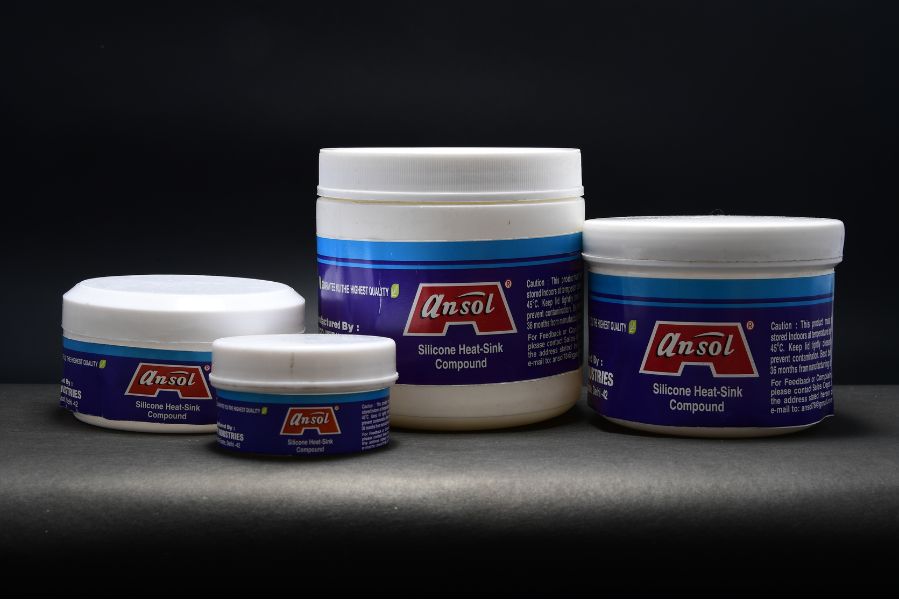
Heat Sink Compound

Heat sink compound, also known as thermal paste or thermal grease, is a crucial material used to improve heat transfer between electronic components and heat sinks. It fills microscopic gaps and air pockets that naturally occur between surfaces, allowing better thermal conductivity and preventing overheating. This compound is commonly applied in CPUs, GPUs, power transistors, and LED lighting to ensure efficient heat dissipation. Using a high-quality heat sink compound helps maintain optimal operating temperatures, enhancing the performance and lifespan of electronic devices. Heat sink compound is easy to apply and comes in various formulations, including silicone-based, ceramic-based, and metal-based options, catering to different thermal management needs. Proper application ensures reduced thermal resistance and stable device operation.

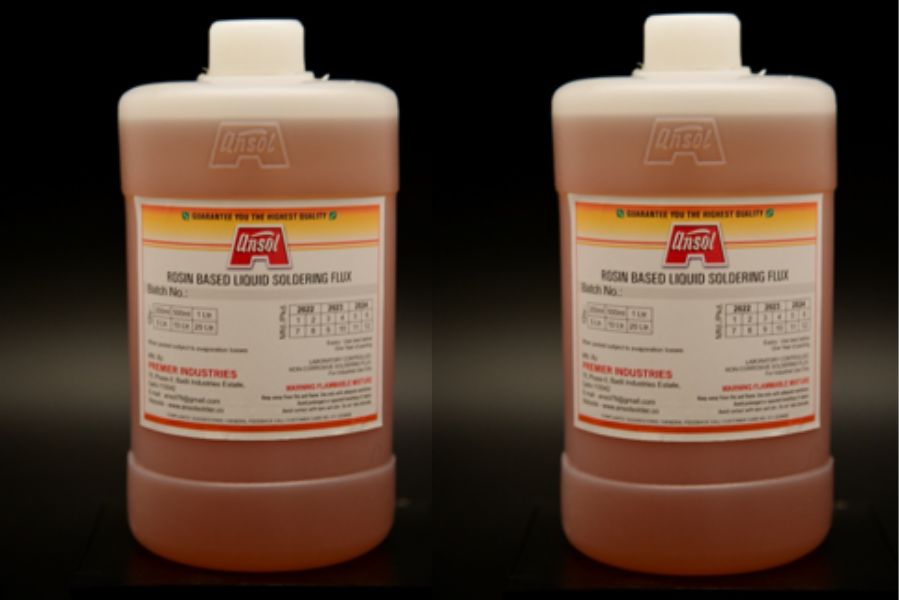
Soldering Fluxes

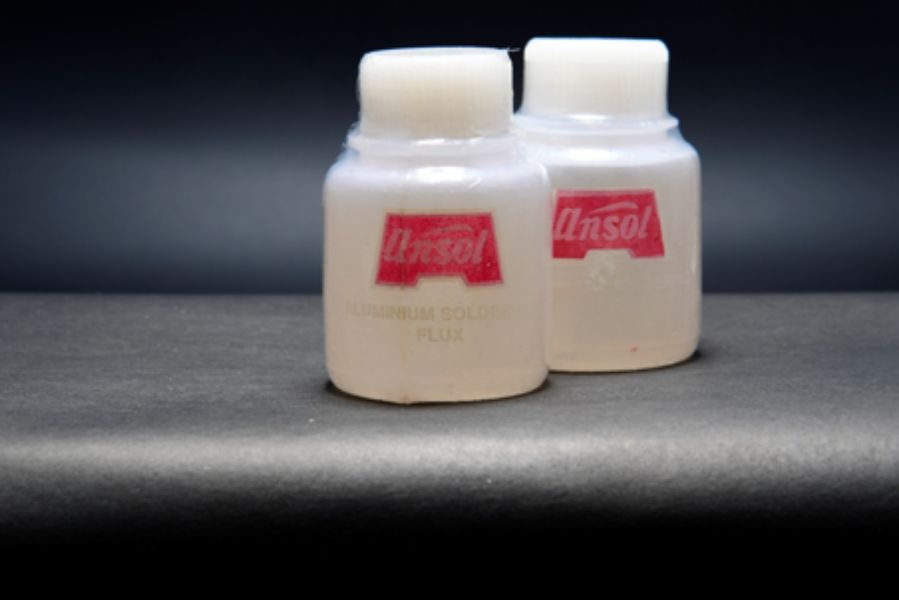
Soldering fluxes are vital materials used in the soldering process to ensure strong, reliable metal joints. Flux acts as a cleaning agent, removing oxides and impurities from metal surfaces, which allows solder to flow smoothly and bond effectively. Without flux, solder joints can be weak or faulty due to poor adhesion. There are different types of soldering fluxes, including rosin-based, water-soluble, and no-clean fluxes, each suited for specific applications in electronics, plumbing, and metalworking. Choosing the right flux improves solder joint quality, reduces defects such as bridging or cold joints, and enhances electrical conductivity. Flux also prevents oxidation during heating, making the soldering process more efficient. It is commonly used in both manual and automated soldering techniques, such as wave and reflow soldering.


Soldering Paste Flux

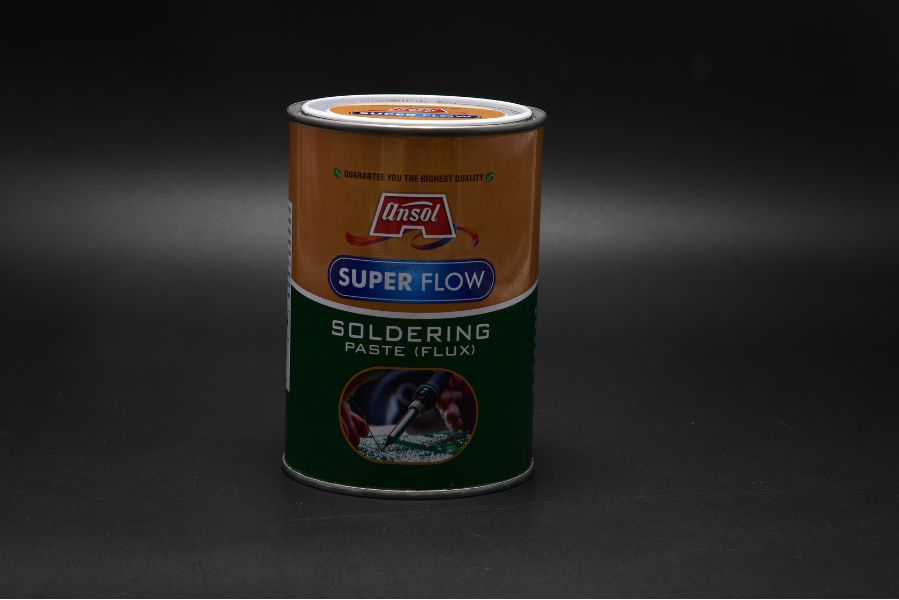
Soldering paste flux is a specialized type of flux combined with powdered solder to create a thick, sticky paste used primarily in electronic soldering. This flux plays a critical role in cleaning metal surfaces, removing oxides, and promoting strong, reliable solder joints during the soldering process. Unlike liquid flux, soldering paste flux stays in place on the joint, making it ideal for precision work on printed circuit boards (PCBs) and surface mount devices (SMDs). Its consistency ensures that the solder flows evenly and bonds components securely during reflow or manual soldering. Soldering paste flux improves wetting properties, reduces soldering defects like bridging and cold joints, and enhances overall soldering quality. Available in various formulations—such as no-clean and water-soluble—this flux caters to different manufacturing and repair needs.

RoHS Solder Wire

RoHS solder wire is specially manufactured to comply with the Restriction of Hazardous Substances (RoHS) directive, ensuring it is free from harmful materials like lead, cadmium, and mercury. This makes RoHS solder wire an eco-friendly and safe choice for electronics manufacturing and repair. Typically made from lead-free alloys such as tin, silver, and copper, RoHS solder wire offers excellent solderability and strong, reliable joints. It is widely used in printed circuit board (PCB) assembly, surface mount technology (SMT), and through-hole soldering applications. Using RoHS solder wire helps manufacturers meet environmental regulations and consumer safety standards without compromising performance. It melts at slightly higher temperatures than traditional leaded solder, so proper temperature control during soldering is essential.
whatsapp icon
telephone call